How RR Auction Scaled Their Authentication Expertise Through AI-Augmented Cataloging
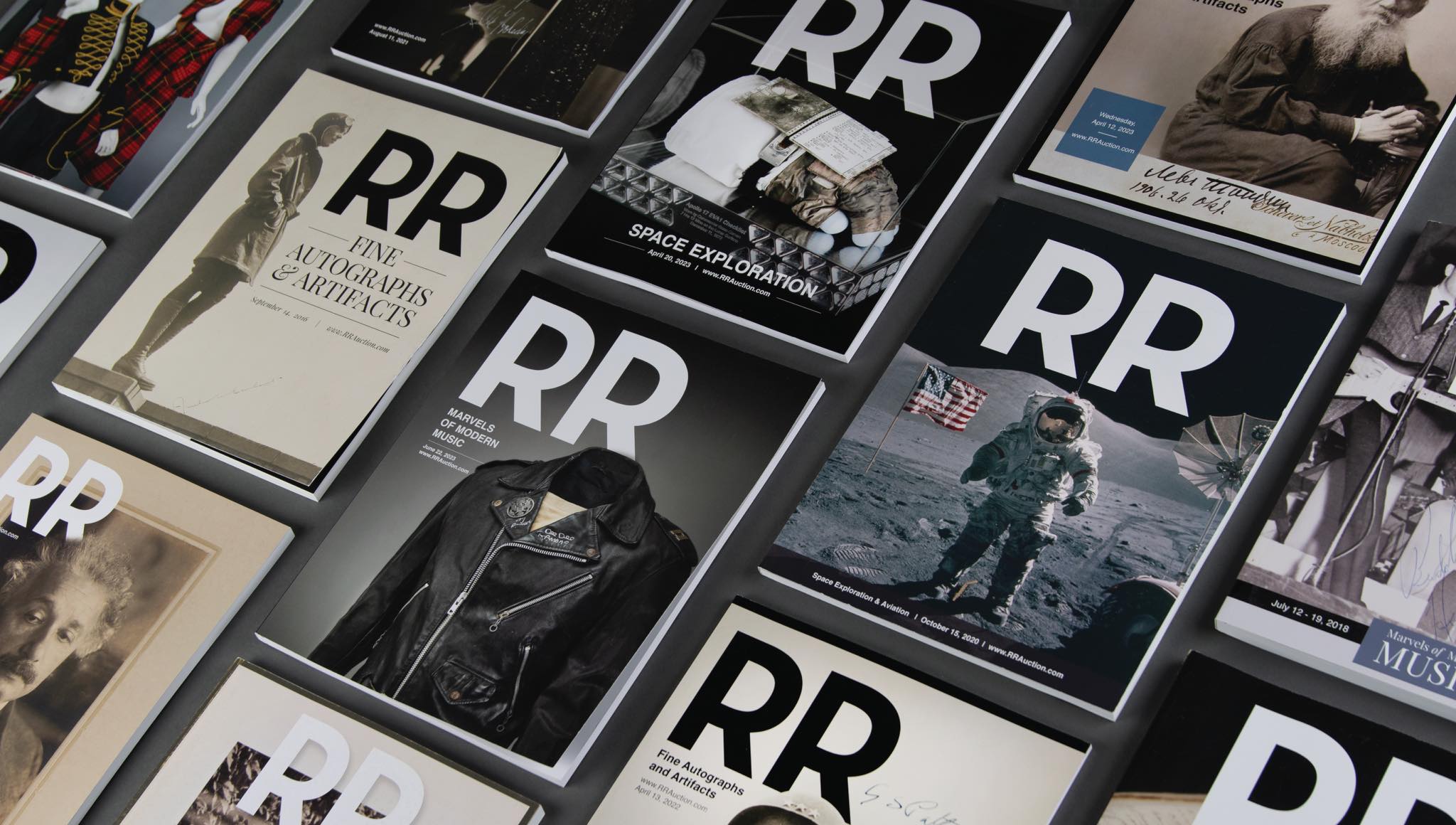
RR Auction has built one of the most respected authentication and cataloging operations in the auction industry. Their Boston-based team handles everything from space memorabilia and historical documents, to sports collectibles and entertainment artifacts, maintaining authentication standards that collectors trust for investments worth millions annually.

Written by
Derek Bugley
The Challenge Every Growing Auction House Faces
Last year, RR Auction received a prominent estate consignment of over 300 militaria memorabilia items— which include firearms, guns, uniforms, and swords. While it was a huge opportunity, processing 300 items would require approximately 30 to 60 specialist-days for initial cataloging alone. Handling a consignment of this volume requires them to delay their Militaria auction for six months.
Bobby Eaton, COO of RR Auction, recognized that the traditional approach of hiring additional specialists wouldn't solve the underlying problem. They needed specialists who can authenticate many Militaria formats signatures across two centuries.. Maintaining a large team of rare specialists at premium salaries was economically unfeasible, and training junior specialists had equally significant challenges.
What Makes Cataloging So Complex
Specialists perform rapid pattern recognition that combines visual analysis, contextual knowledge, and market understanding in seconds. A specialist examining a signed photograph considers the signature characteristics, the photograph's production method and paper stock, the historical context of when and where the subject would have signed such items, comparable sales data from previous auctions, and optimal placement within upcoming auction categories.
The typical cataloging workflow involves six distinct steps:
Triage: Determining if an item gets individual treatment or grouped with similar pieces
Authentication: Verifying legitimacy through materials, construction, and provenance
Attribution: Identifying specific maker, period, or variant that affects value
Condition assessment: Documenting flaws, restorations, and notable characteristics
Description writing: Creating 150-400 word lot entries with precise terminology
Photography: Capturing multiple angles and authentication details
Traditionally, each step required the same senior specialist to maintain accuracy. When a single consignment includes Civil War documents, Apollo patches, signed baseballs, and movie props, you need multiple specialists with different expertise areas.
Amplifying Specialist Expertise through Machine Learning
We built Vardera to accelerate specialist capabilities, not replace them. The system handles pattern recognition tasks where machines excel, analyzing images using models trained on RR Auction's catalogs, while preserving human oversight for nuanced decisions.
When a specialist uploads item photos, Vardera instantly provides:
Likely attribution with date ranges and maker identification
Similar items from past auctions with realized prices
Draft lot descriptions matching the house's writing style
Authentication red flags based on known forgery patterns
Optimal auction placement recommendations
The specialist reviews and refines these suggestions, rather than starting the process from scratch each time. A signed baseball that took 30 minutes to research can now takes two minutes to verify and adjust.
Integration Without Disruption
Vardera integrates directly into any cataloging software you already use. Your specialists can run the AI analysis from interfaces they're already familiar with, where results appear in the same fields they've used for years.
During onboarding, RR Auction trained Vardera on their specific standards within three months. This involved ingesting 10 years of their auction catalogs to learn their attribution conventions, grading standards, and description style. Vardera now writes lot descriptions with RR Auction's voice and expertise, using their preferred terminologies and formats.
The Results After Six Months
Operational improvements:
Cataloging speed increased from 20-30 items/day to 75-100 items/day per specialist
The 300-item collection cataloged in 1 week instead of 3 months
Zero new hires required to handle the increased volume
Authentication accuracy improved through AI-flagged anachronistic details
Business impact:
Launched 2 additional specialized auctions previously avoided due to capacity
Increased average lot descriptions from 150 to 400 words
Optimized SEO by using content filled descriptions that get crawled by Google
Maintained acceptance of regular consignments during major collection processing
Caught authentication issues like 1969-dated patches with 1975-era synthetic thread
Human impact:
Specialists focused on complex authentications instead of routine cataloging
More time for provenance research and consignor relationships
Reduced repetitive description writing for common items
Higher job satisfaction from engaging work
For RR Auction, Vardera didn't change what they do. It amplified their ability to share expertise at scale while maintaining the personal relationships and deep knowledge that distinguish them in the marketplace. This technology enabled them to compete for major consignments against global auction houses, while maintaining the specialized focus and personal service that regional houses provide.
Best Practices for Implementing AI Solutions
Start with workflow, not technology. Map how your specialists currently make decisions before designing technical solutions. We spent weeks understanding RR Auction's process before writing any code.
Preserve expertise while scaling it. Position AI as amplifying specialist impact, not replacing them. Your team will embrace tools that make them more effective rather than threatening their positions.
Deploy incrementally. RR Auction started with core collectible categories, proved value, and then expanded to other categories as specialists grew comfortable with the system.
Measure what matters to the business. The 3.8x throughput improvement is impressive, but RR Auction cared more about consignment acceptance rates and auction frequency, the metrics that drive profitability.
Maintain quality standards. Your reputation took decades to build. The AI has to maintain or improve authentication accuracy while increasing speed. Any quality degradation destroys trust instantly.
If you're facing cataloging bottlenecks, turning away consignments, or losing valuable collections to competitors, the solution isn't hiring more specialists. It's amplifying the expertise you already have.
Written by
Derek Bugley
Want to see Vardera in action?