Handbag recognition
AI
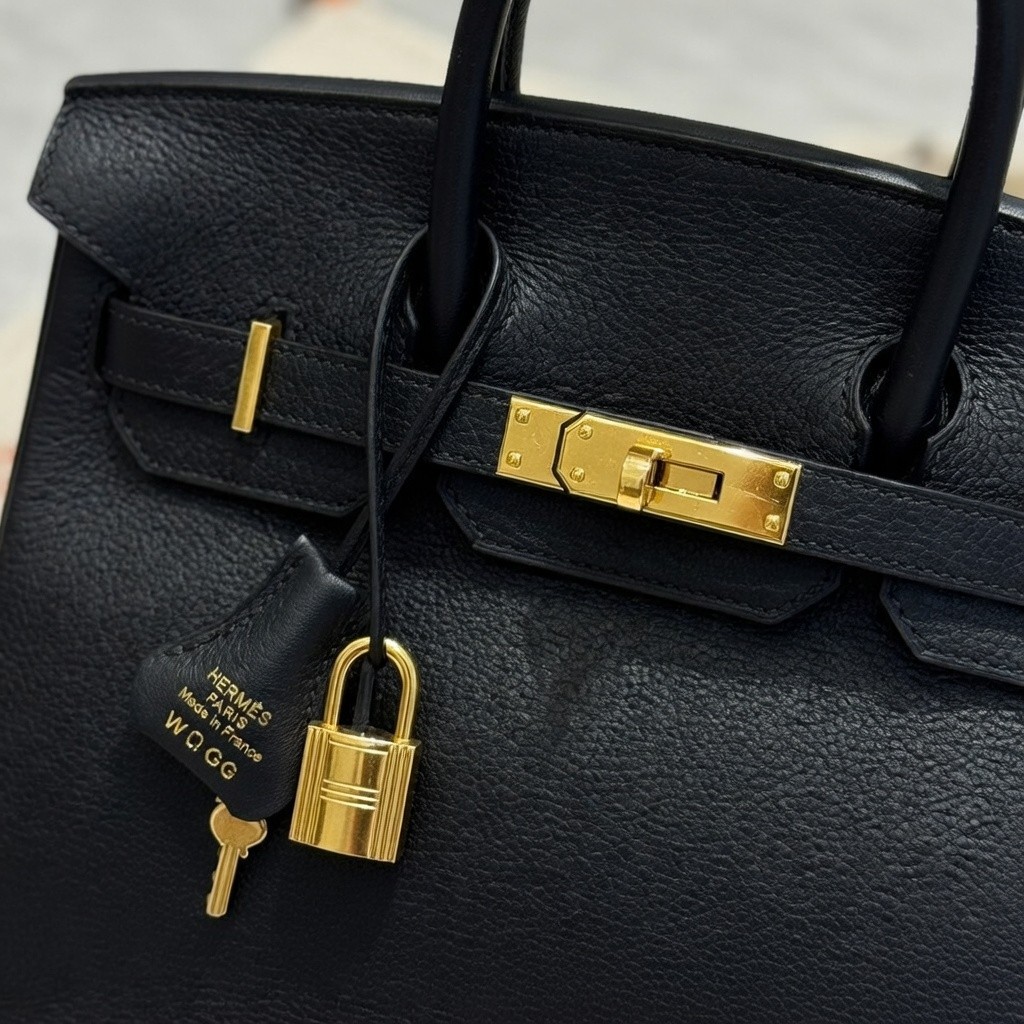
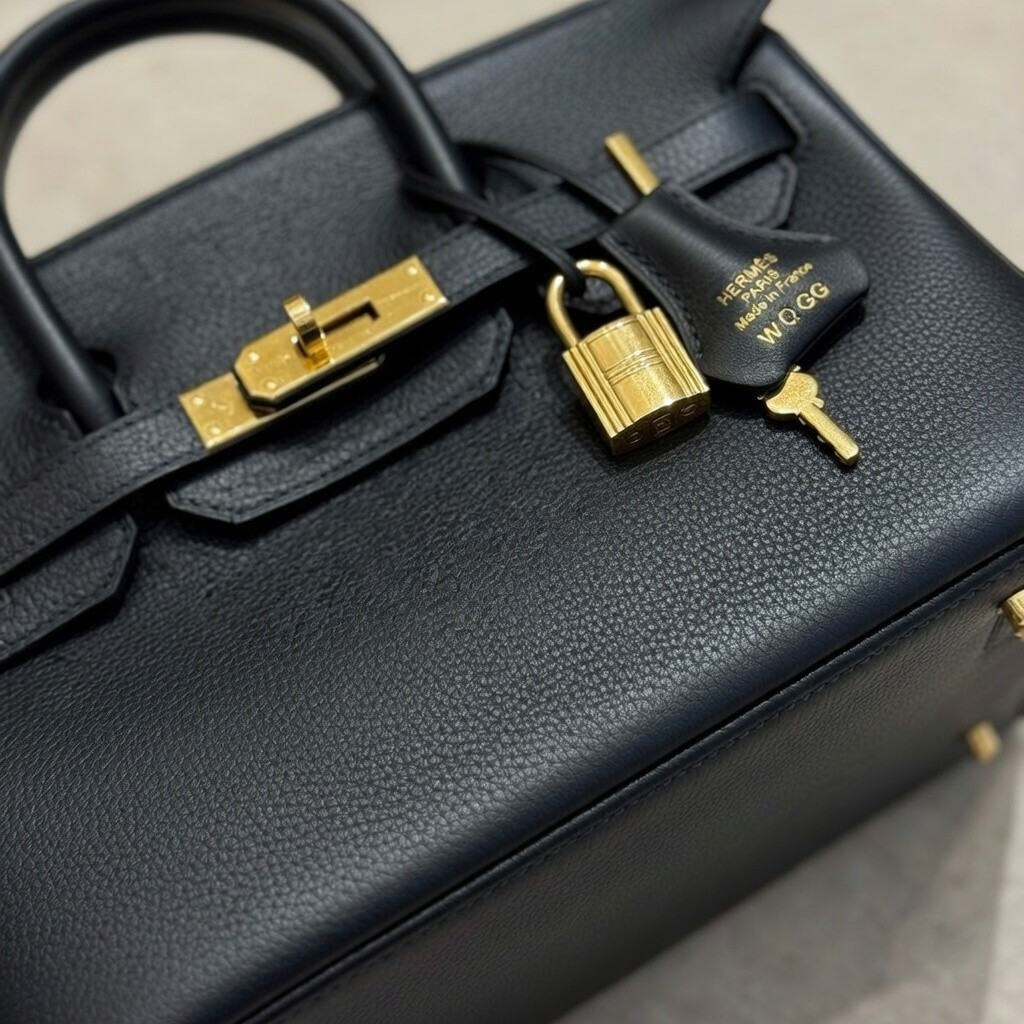
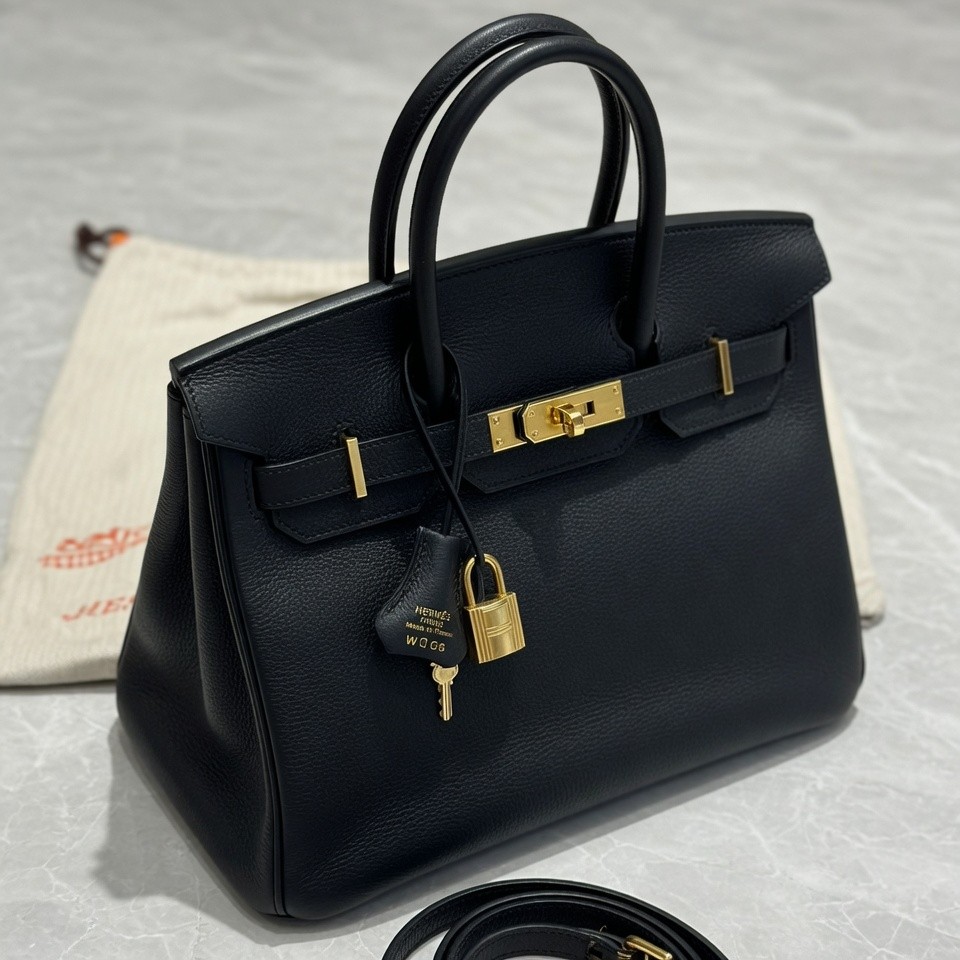
Hermès Birkin bag, 30cm, circa 1990
Togo leather, Gold hardware
Moderate corner abrasion visible across all four base points, with 3 exhibiting pigment loss
Handle darkening consistent with regular hand contact, including slight softening of structure
98% match
the challenge
Your inbox has 47 unread emails from consignors. Each one has photos of an entire collection - coins, Persian rugs, a box of vintage watches, someone's grandmother's jewelry. Every item needs identification, condition assessment, authentication, valuation, and a catalog-ready description.
That's your Tuesday. And Wednesday. And Thursday.
Meanwhile, the consignment you actually want to pursue - the one that could anchor your next auction - sits in the queue behind a hundred routine items you could appraise in your sleep. If you had the time.
And the categories keep expanding. A $20 million Pokemon card collection lands on the desk of a specialist who's spent 30 years in fine art. An estate with rare comic books arrives at a house that's never cataloged a comic in its history. You can't hire a new specialist for every category that walks through the door - and even if you could, training takes years.
The part nobody talks about: your most experienced people are approaching retirement. Decades of institutional knowledge - the instincts, the pattern recognition, the relationships - will walk out the door. And the pipeline of replacements? It takes a generation to build.
The reality:
Consignment backlogs stretching from weeks to months
High-value sourcing work displaced by routine triage and cataloging
New asset categories arriving that nobody on staff can appraise
Senior specialists retiring with no replacement pipeline
Consignors moving to competitors who respond faster
Your specialists aren't the bottleneck. They're the most valuable people in the building. The bottleneck is asking them to do everything.
the solution
Vardera doesn't replace your team. It gives them leverage.
Think of it as a highly trained junior specialist who works 24/7 and never calls in sick. Vardera processes incoming consignments - identifying items, assessing condition, flagging counterfeits, generating lot descriptions, and providing baseline valuations - so your senior people aren't buried in routine work.
What changes when Vardera handles your intake pipeline:
Consignment response time drops from months to days
Consignors get preliminary valuations before they move on to a competitor
Your experts spend time on sourcing and relationships
The work that actually grows your business
New categories are immediately serviceable
Coins, comics, trading cards, luxury goods, militaria - even ones you've never handled before
Institutional knowledge gets preserved
Vardera learns from your catalogs, your terminology, your standards. Expertise doesn't walk out the door when someone retires.
Your reputation took decades to build. Vardera makes sure you can maintain it - even as the volume and variety of what walks through the door keeps growing.
how it works

Two Engines for Auction Operations
Live
Ingestion engine
Your consignment intake on autopilot
Every item that comes through the door - regardless of category, image quality, or description - gets instantly processed.
Item identification from photos alone - recognizes what you're looking at faster than Google Lens, even from poor-quality snapshots
Counterfeit pre-screening - separates genuine consignment opportunities from low-value submissions, so your team focuses on real inventory
Image quality assessment - transforms "old coin, decent shape" into structured, catalog-grade lot descriptions that match your house voice
Category routing - highlights damage, restoration, and notable characteristics from images before a specialist even opens the file
impact
Your intake pipeline goes from bottleneck to business advantage. Consignors get fast responses. Your team gets pre-processed items ready for review.
Live
Deep Category Models
A virtual specialist for every asset class
Purpose-built AI models trained on the details that separate authentic from fake, common from rare, damaged from pristine. Each model delivers expert-level analysis for its category.
97%+ authentication accuracy - catches counterfeits, reproductions, and misattributions
Baseline valuation - comparable sales, population data, and market context for confident pricing
Condition grading - consistent, data-backed assessments that don't vary from one reviewer to the next
Provenance signals - surfaces historical context, prior auction appearances, and ownership patterns
category availability
Coins
Live
Comic Books
Beta Live
Trading Cards
Luxury Handbags
Wine
Toys
more in production
Every new category works through the same integration. No new software. No new hires.
Case Study - RR Auction
Current Operations
Before
With Vardera
75–100 items/day
~3 months
1 week
Zero
The result: RR Auction now competes for major consignments against global auction houses - while maintaining the specialized focus and personal service that built their reputation.
Auction Houses Use Cases
Automate Your INtake Pipeline
Your intake pipeline runs without a specialist assigned to it
Every day you take to respond is a day a consignor considers someone else. The bottleneck isn't your willingness. It's the sheer volume of items waiting for a specialist's eyes.
Vardera replaces the specialist's role in the intake pipeline. Every item gets identified, authenticated, condition-assessed, and valued at baseline automatically. Routine consignments get fast-tracked straight to catalog. High-value lots get flagged for priority specialist review with the groundwork already done. Your response time drops from weeks to days, and your specialists stop running the intake at all. They're back to sourcing the next major consignment.
Estate Intake at Scale
A 500-piece estate used to derail your calendar. Now it's Tuesday afternoon.
Large estate consignments are the lifeblood of many houses - and the operational nightmare. Hundreds of items across a dozen categories, each needing individual attention. It's a months-long project that displaces everything else.
Vardera ingests the entire estate. Every item photographed is identified, categorized, assessed, and drafted for catalog. Your specialists review the output - not the raw intake. What used to consume a quarter now takes a week.
Expanding Into New Categories
A Pokemon card collection shouldn't shut down your operation
Collectors are diversifying. Trading cards, comic books, sneakers, vintage electronics - the items walking through your door are changing faster than your team's expertise can keep up. You can't hire a specialist for every emerging category.
Vardera's deep category models give you expert-level analysis in asset classes your team hasn't covered before. Accept the consignment. Process it through Vardera. Have your team review the output. You've just entered a new category - without a single new hire and without risking your reputation.
Preserving Institutional Knowledge
Your best specialist's expertise shouldn't retire when they do
The expertise gap isn't coming. It's here. Senior specialists are retiring, and the institutional knowledge they carry - the instincts, the shortcuts, the pattern recognition developed over decades - is irreplaceable through traditional hiring.
Vardera learns from your house's historical catalogs, past attributions, and established standards. It preserves how your specialists work - their conventions, their terminology, their judgment calls on common items. The knowledge stays in the building.
FAQ's
Get back to the work that built your reputation
You didn't become a specialist to spend your days on intake triage and lot description writing. Vardera clears the backlog, handles the routine, and preserves your house's expertise - so your team can focus on sourcing, authenticating, and building the relationships that grow your business.